Match the method to the carpet and schedule
Routine vacuuming is the foundation because it removes loose dust before foot traffic works it deeper into the pile. A commercial team can add targeted spot treatment for tracked-in soil and spills, using products and dwell times that fit the carpet manufacturer’s care guidance. This is maintenance work, not a substitute for a scheduled deep clean.
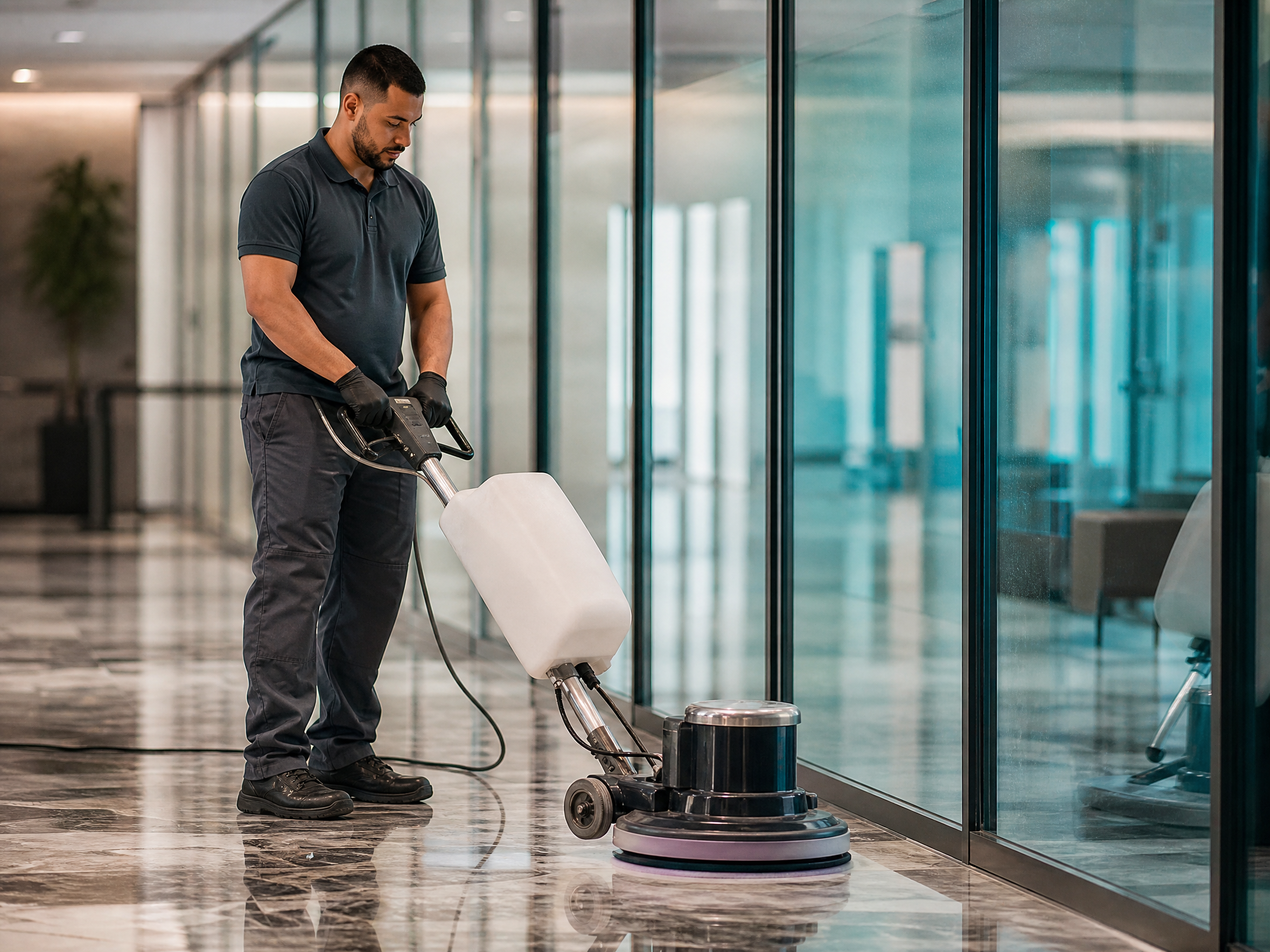
Low-moisture methods, including encapsulation, use less water and can shorten the time a space is out of service when the carpet is moderately soiled. Hot-water extraction uses a cleaning solution, agitation, and powerful recovery to rinse and remove more embedded soil. The right choice depends on fiber, backing, traffic, soil load, and available drying time; a test area helps confirm the approach before broad application.
For a plan that fits your operation, explore our commercial carpet cleaning and commercial cleaning coverage in Green Valley.
- Vacuuming and spot treatment: daily or frequent upkeep in busy paths and entries.
- Encapsulation or other low-moisture care: useful when controlled drying and quick re-entry matter.
- Hot-water extraction: a periodic option when soil is embedded and the carpet system can tolerate moisture.
- Targeted restorative work: reserved for stains, edges, or areas that need more than routine maintenance.
Plan around Las Vegas dust, water, and work hours
Entryways deserve special attention in Las Vegas. Desert dust and fine grit arrive on shoes, carts, and deliveries, so walk-off mats, frequent vacuuming, and edge detail can reduce the soil reaching office lanes. A walkthrough should map the path from exterior doors to reception, elevators, conference rooms, and shared corridors rather than treating the floor as one uniform zone.
Drying is part of the method, especially when extraction is scheduled after business hours. Agree on furniture moves, air movement, ventilation, access, and the time needed before normal traffic resumes. Local water is categorized as very hard and can leave mineral residue when water evaporates, so the cleaning plan should include careful recovery and surface-drying practices where water may contact nearby hard finishes.
Ask for a carpet plan that protects the operation
A useful proposal identifies carpet fiber and backing when known, priority zones, soil and stain conditions, method, frequency, drying expectations, and who handles furniture or electronics. Ask the provider to explain the test area, product selection, ventilation plan, and return-to-use process in plain language. Cleaning chemicals and powered equipment create worker and site hazards, so trained crews should follow product directions and applicable workplace safety practices.
Carpet cleaning is appearance and maintenance work. It does not replace regulated infection-control, clinical decontamination, food-safety, hazardous-material response, or remediation services. If a spill involves bodily fluids, chemicals, mold, or another regulated hazard, pause the ordinary carpet scope and use the qualified response appropriate to that situation. For a typical office, a written schedule that separates routine care from periodic extraction keeps expectations clear.
Simplicity Commercial Cleaning can review your carpet, traffic patterns, and operating hours, then recommend a practical maintenance scope. Contact Simplicity Commercial Cleaning for a Las Vegas walkthrough and estimate.
Request a walkthrough & estimatePut this guidance to work at your facility.
Explore the related Simplicity service and Las Vegas coverage page, then see how the details can fit your space.